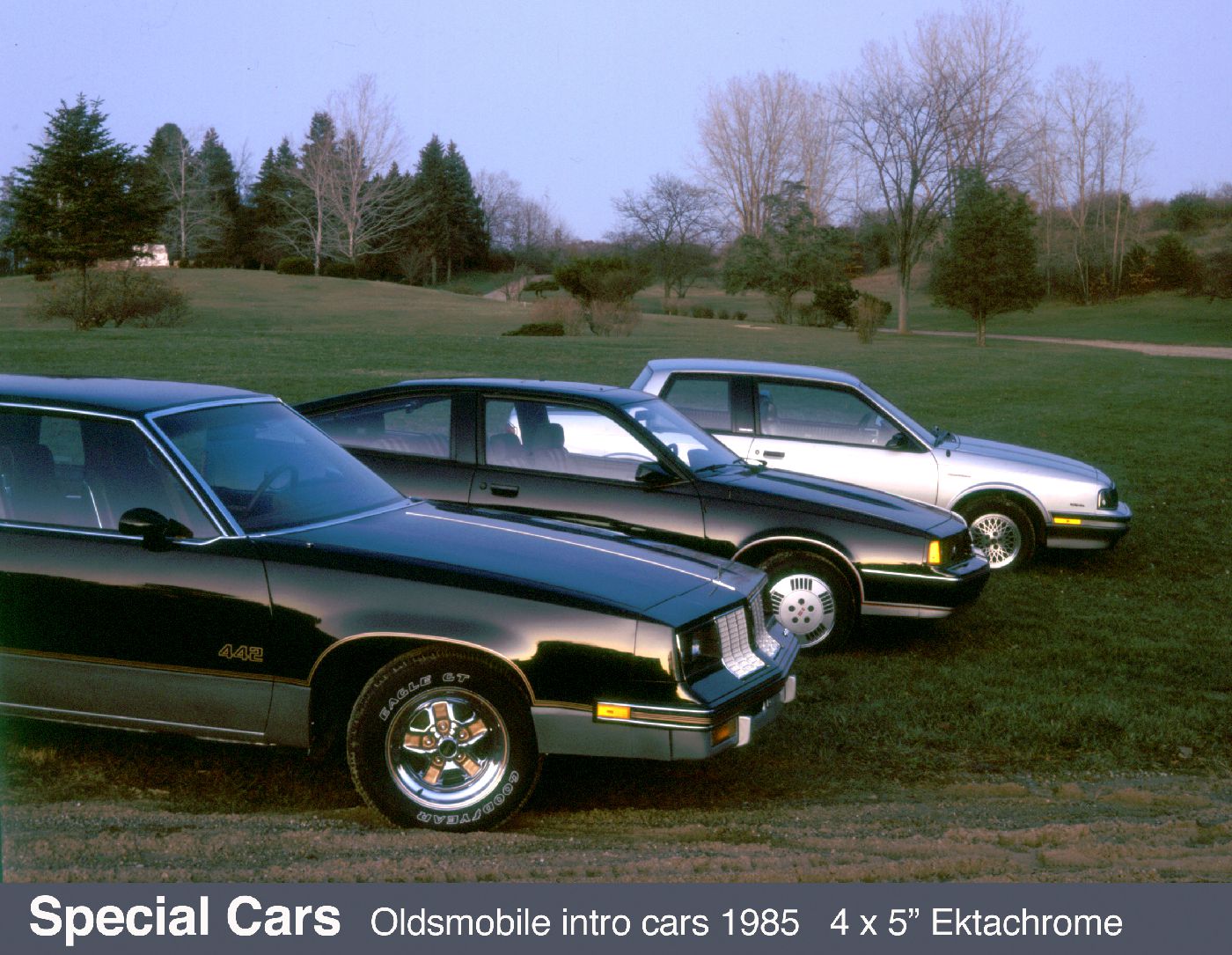
Advertising Photography by David S. Hoornstra/TI Group

https://mobirise.com/
Intro - photos - advertising


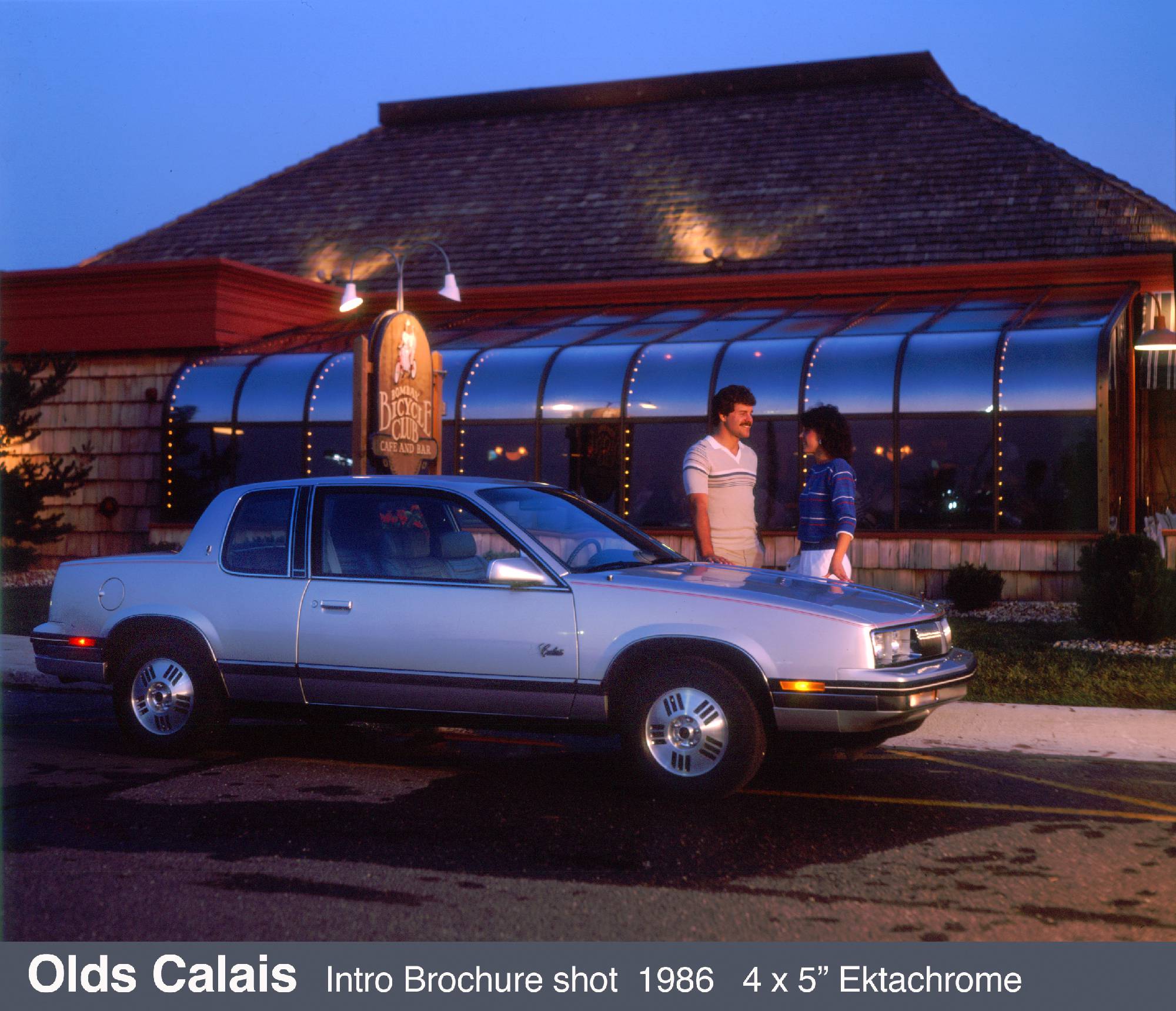
At TI Group in Ann Arbor (1980-89), we had the opportunity to learn automotive photography on-the-fly. Larry Bell got us in on the ground floor with GM Accessory catalog production. Soon we got the chance to replace outdated product photos using my old 4 x 5 Graflex and hot lights in the former kitchen of the old place on Main at Summit.

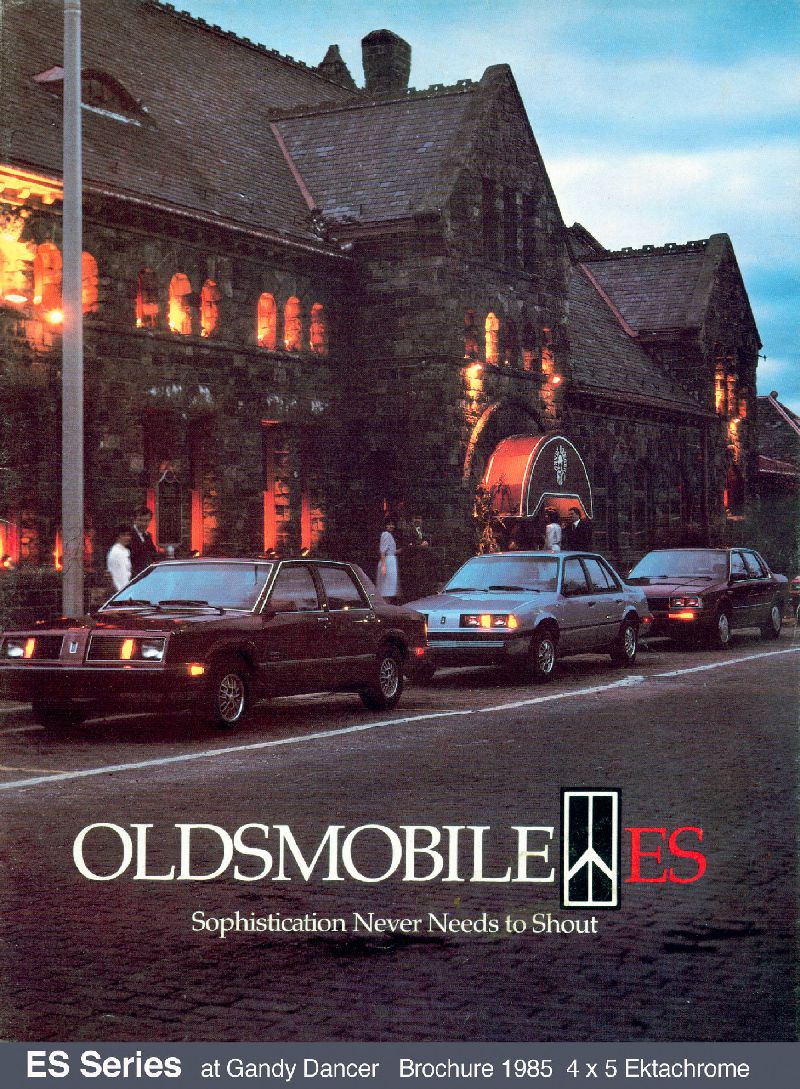
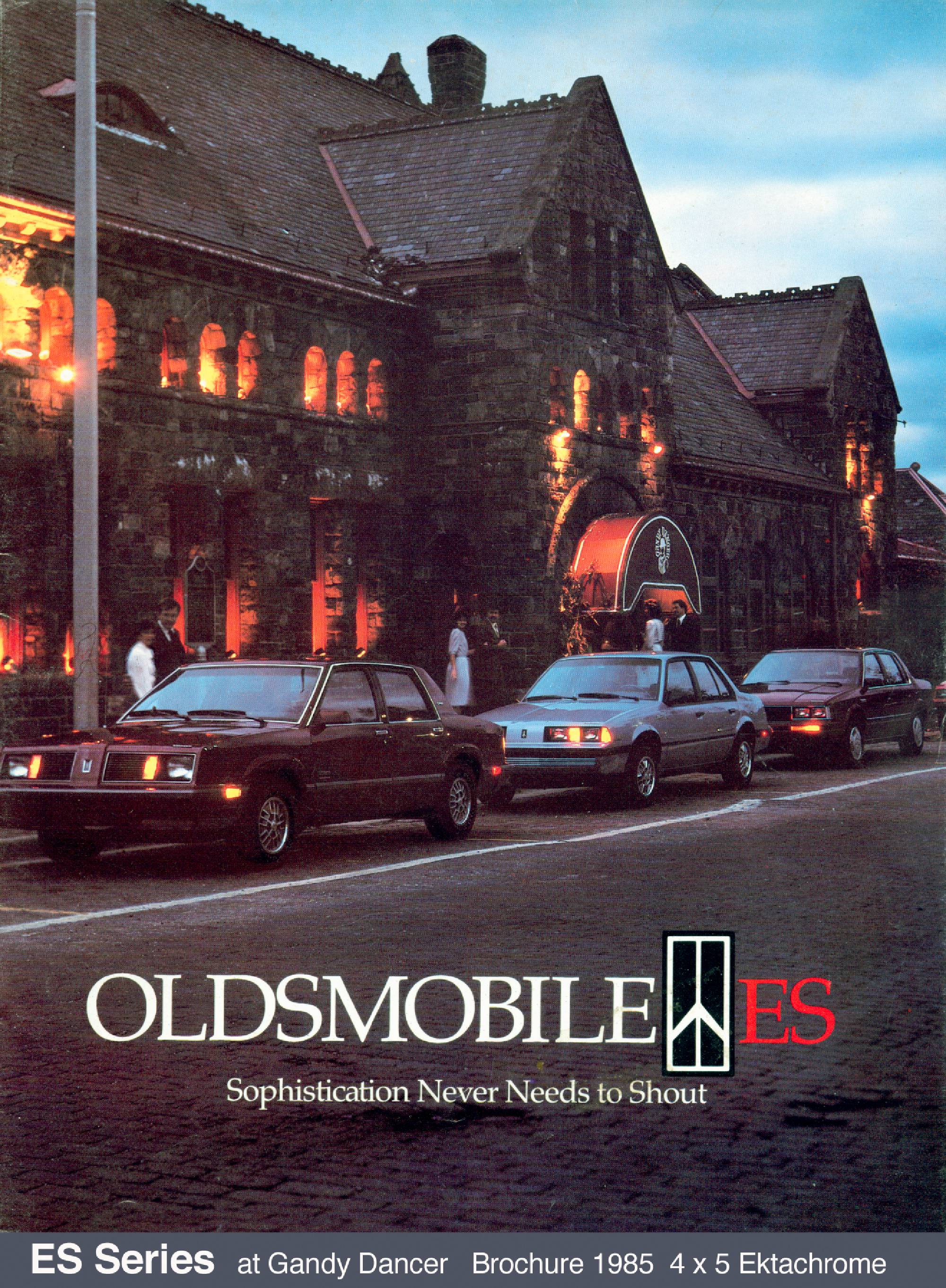
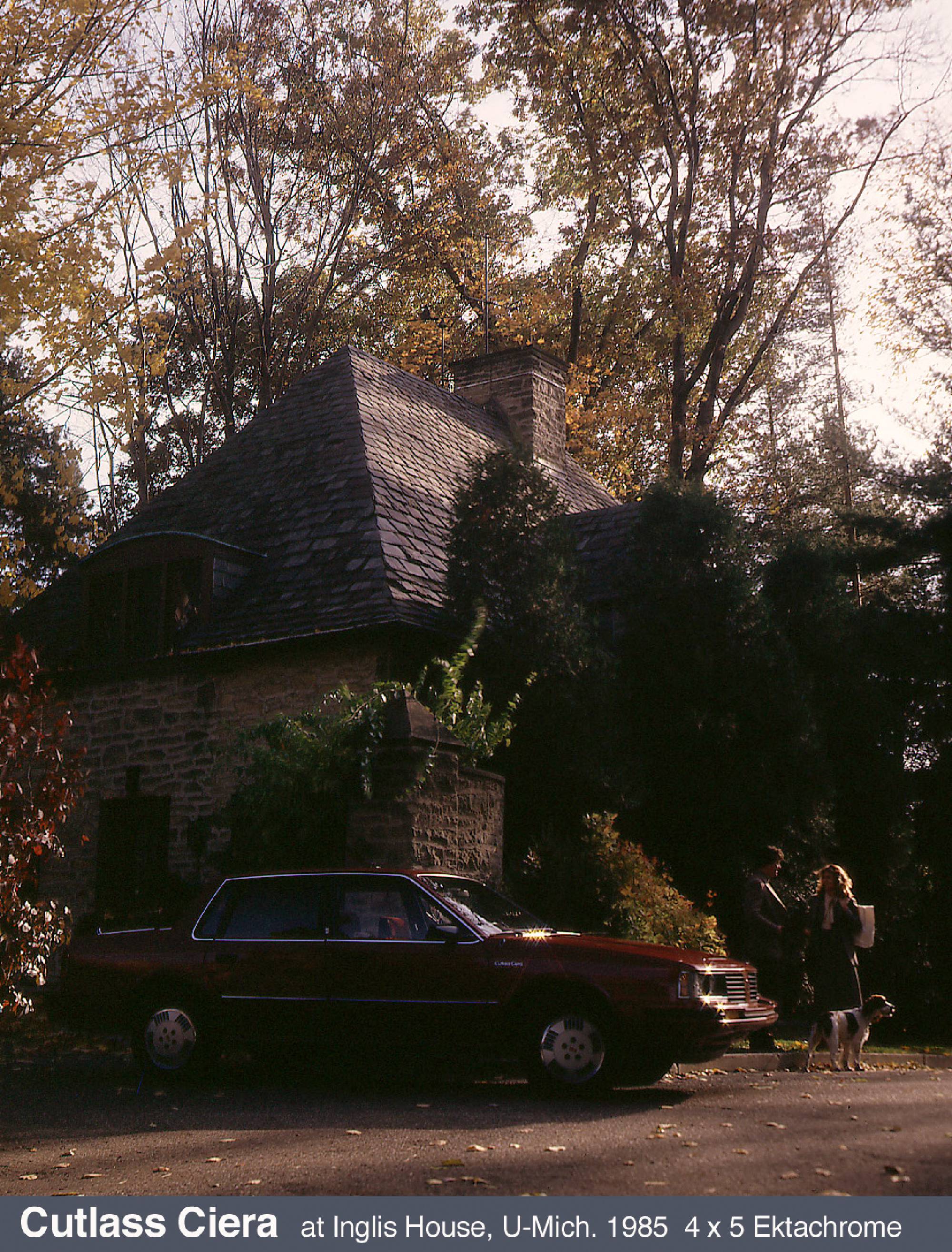
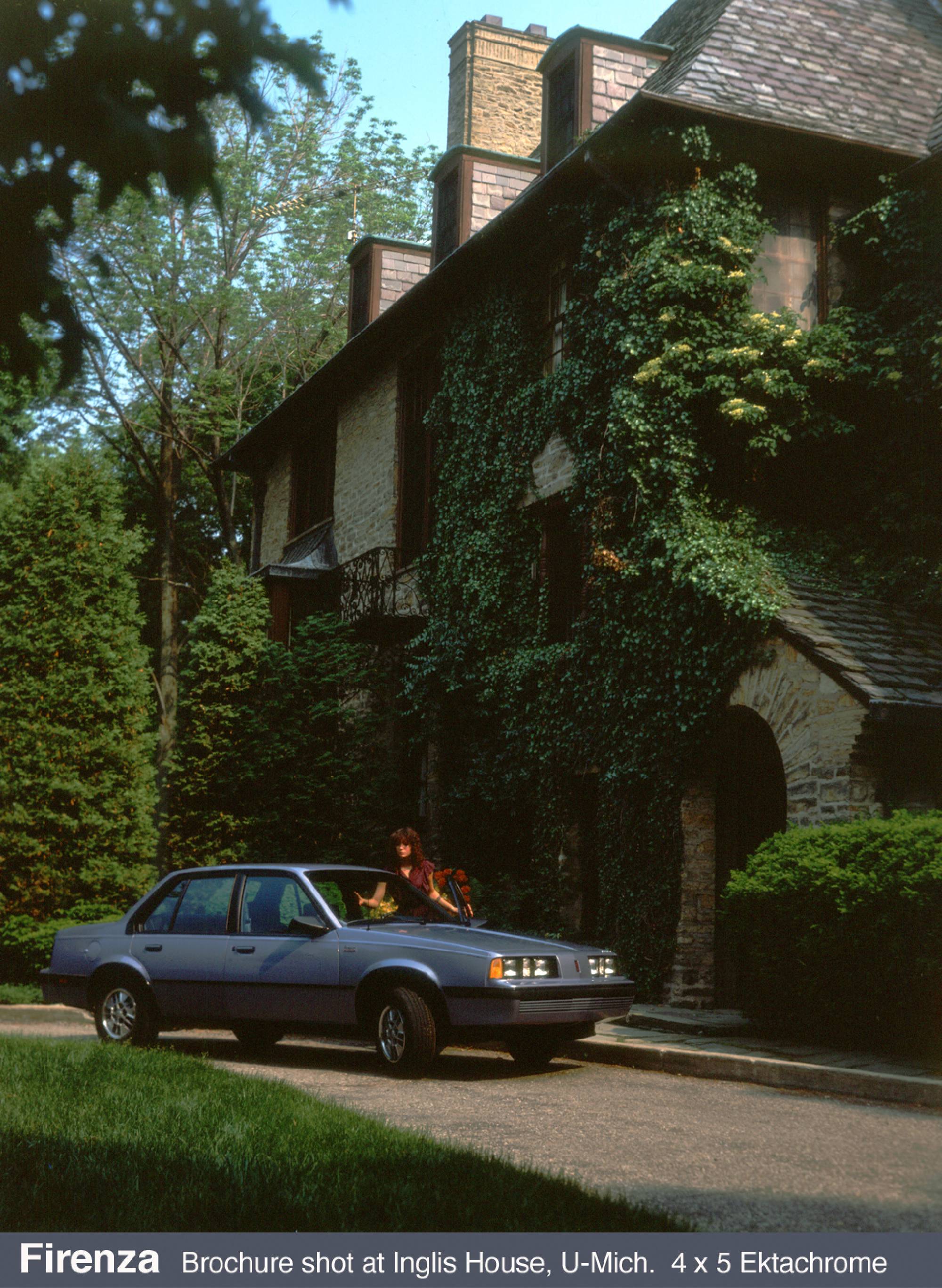
When Oldsmobile wanted to introduce their “ES” (Euro Styled) cars for 1985, they thought maybe an Ann Arbor agency might offer the sophistication they were looking for.
Up to that time American cars were shot on negative film and heavily airbrushed on big dye-transfer prints. (Photoshop was a thing of the future.) We looked at the Mercedes and BMW brochures and said “color transparency, no retouch – that’s the look.” Privately I said “Available light too.” Indoor shooting would have cost more than we grossed on the job.  
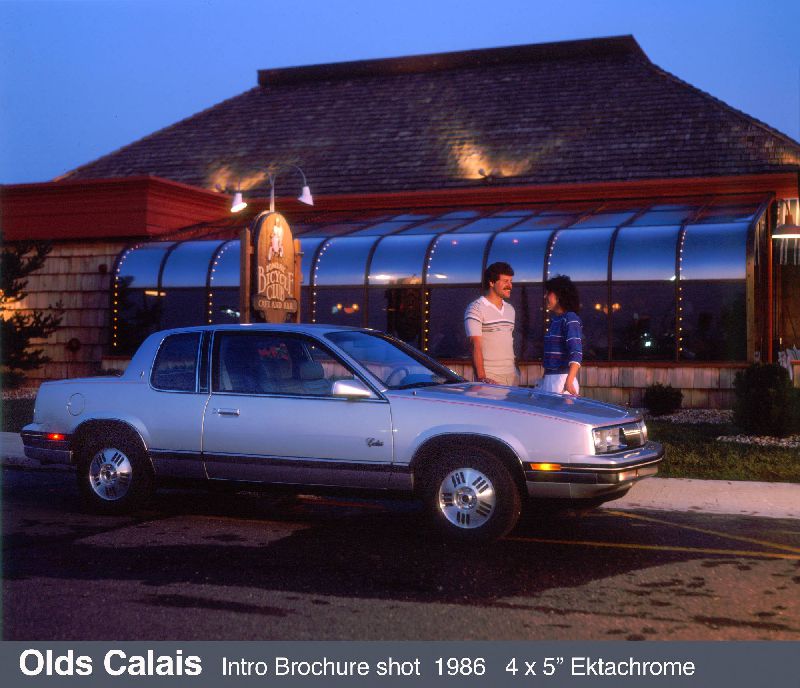
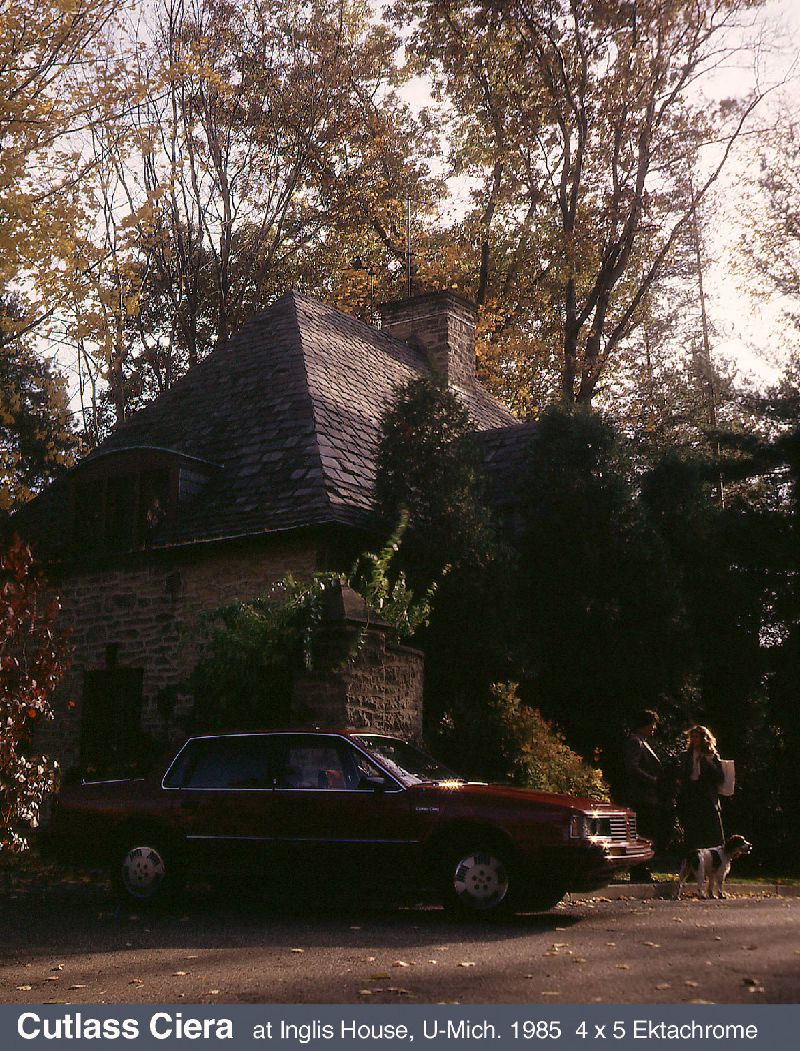
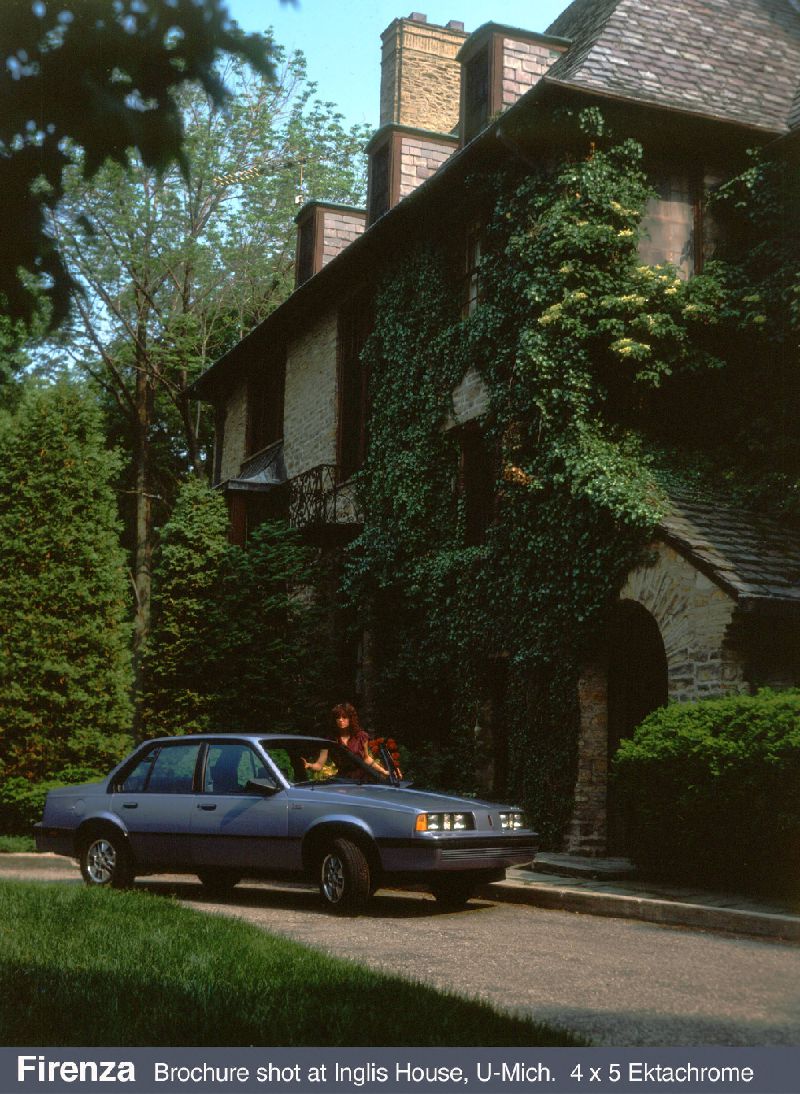
We had a lot of “European” location shots to get for an eight-page poster/brochure. I scouted every elegant stone building in Ann Arbor. Nearly got run over in front of the Gandy Dancer (former Ann Arbor rail station) getting a five-second exposure of three cars and six models. But when Oldsmobile said “Kill the white letters on those tires” I had to learn E-6 dye retouching in a hurry. It was also needed to darken the sky, overexposed compensating for the natural and electric light. We also used the Law Quad, Clements Library and Inglis House. 
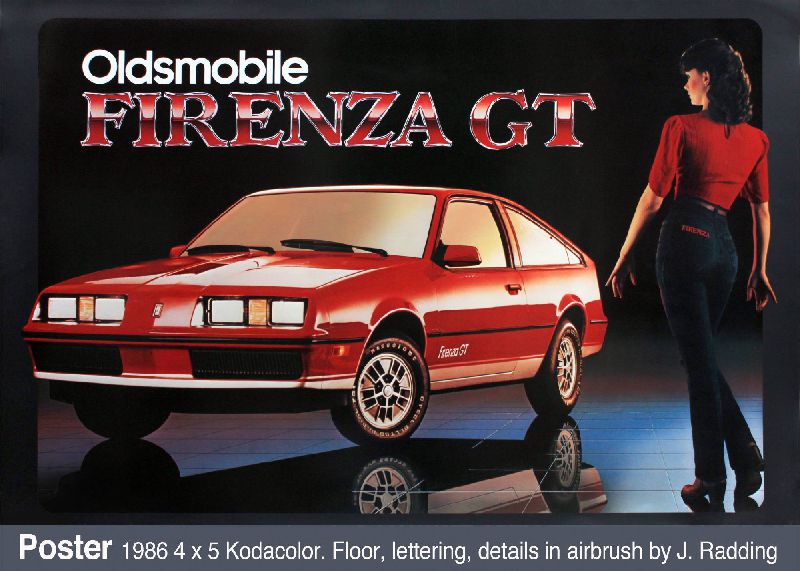
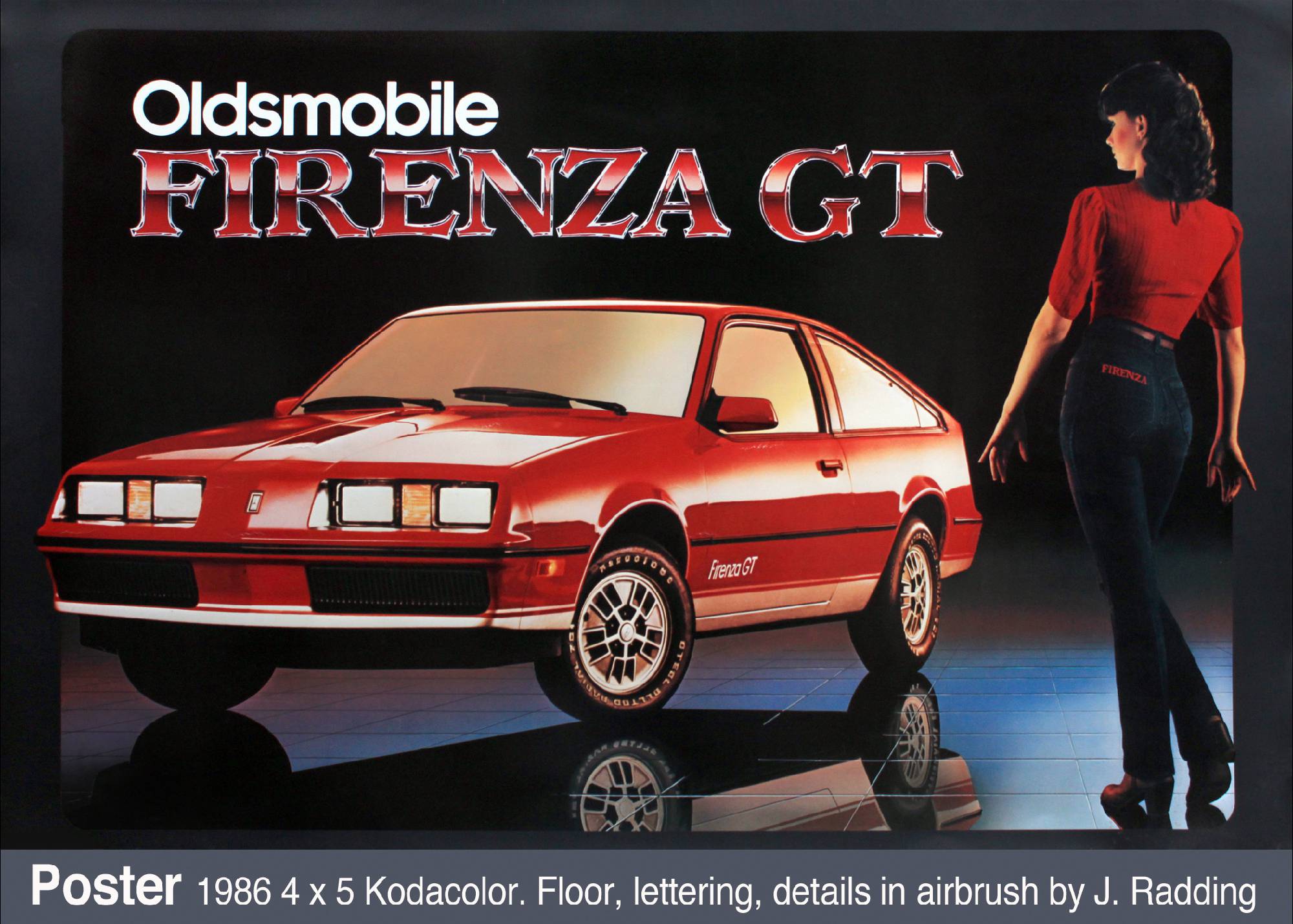
That led to other new-car introduction photography (above) which paid for a new 4 x 5, some flash units and a Hasselblad for the small stuff.

In Motion

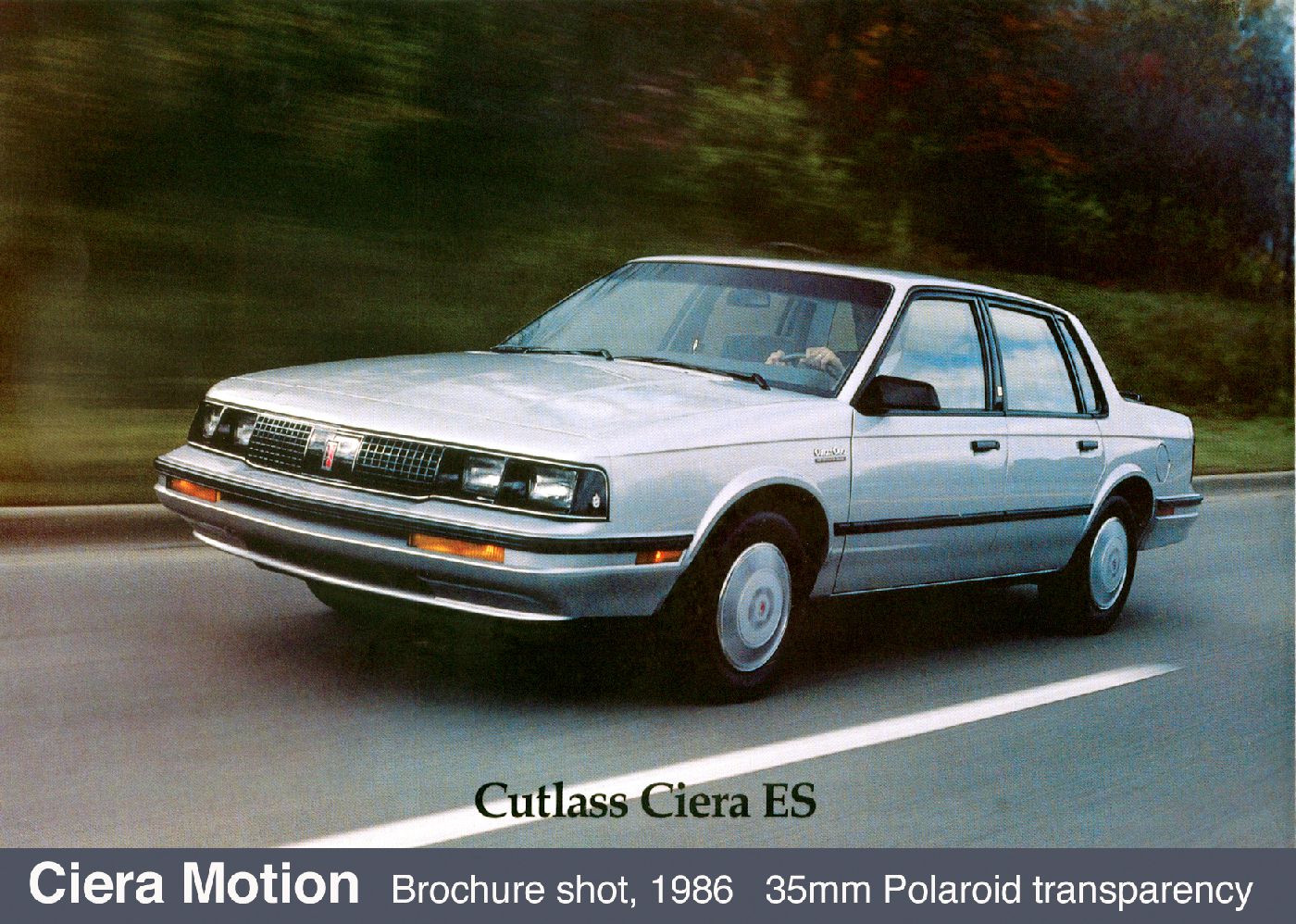
Unlike any American car company at the time, BMW brochures showed their cars in motion. We had no idea how to get this effect, but the photographers at Car and Driver magazine, just across town, had perfected it. We hired one who had time between shoots, and had a hair-raising time with him shooting from the passing lane of a two-lane road, between oncoming cars.
The next time we needed a shot, he was in LA, so we used his technique. “Sit on a load of rocks (for stability) in the back of a station wagon with a motor drive on your 35mm camera. Shoot with Polaroid transparency film so you can see when you’ve got the shot (maybe one out of 30 frames).”
We switched to a four-lane parkway.

The Detroit Diesel Fuel Pincher Series

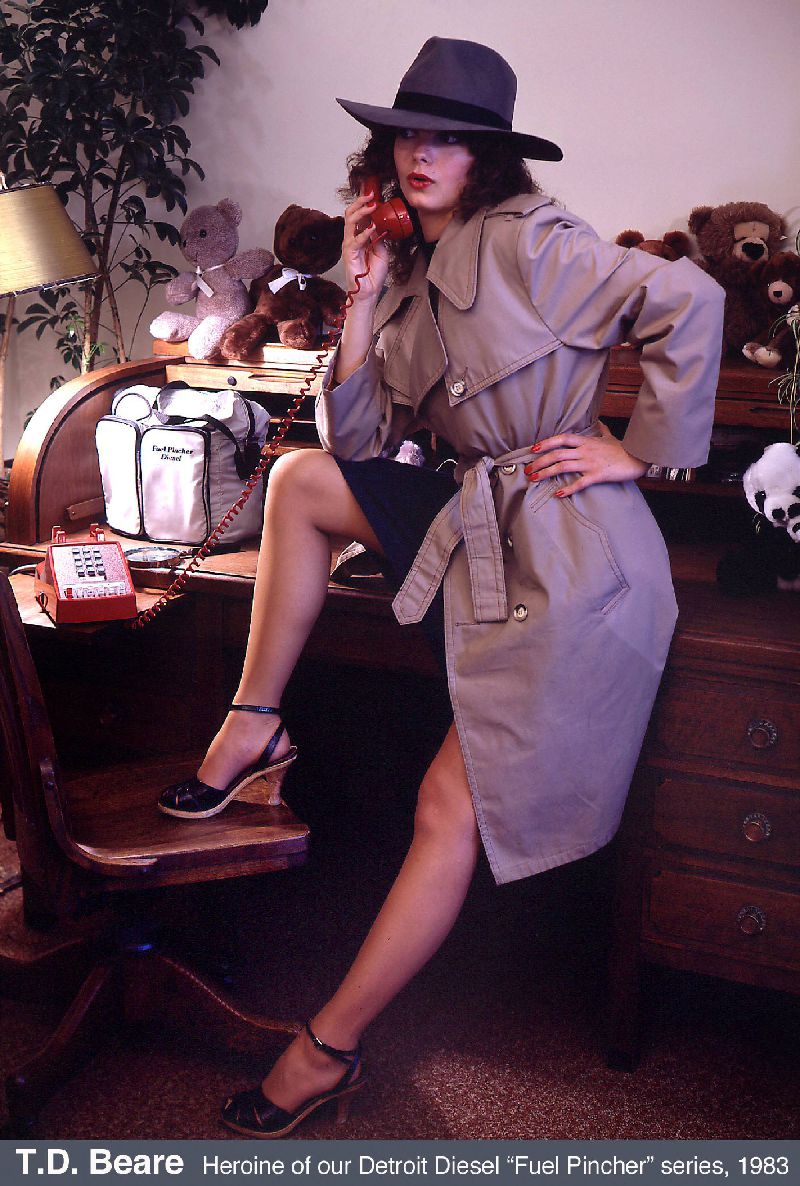
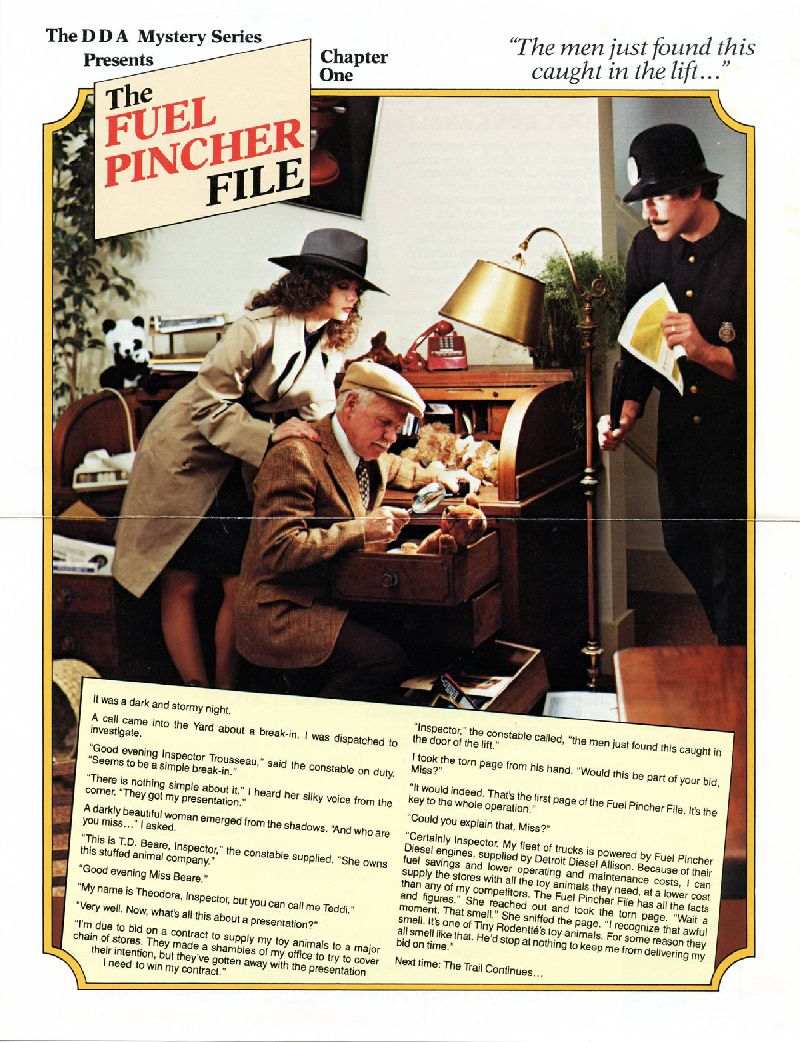
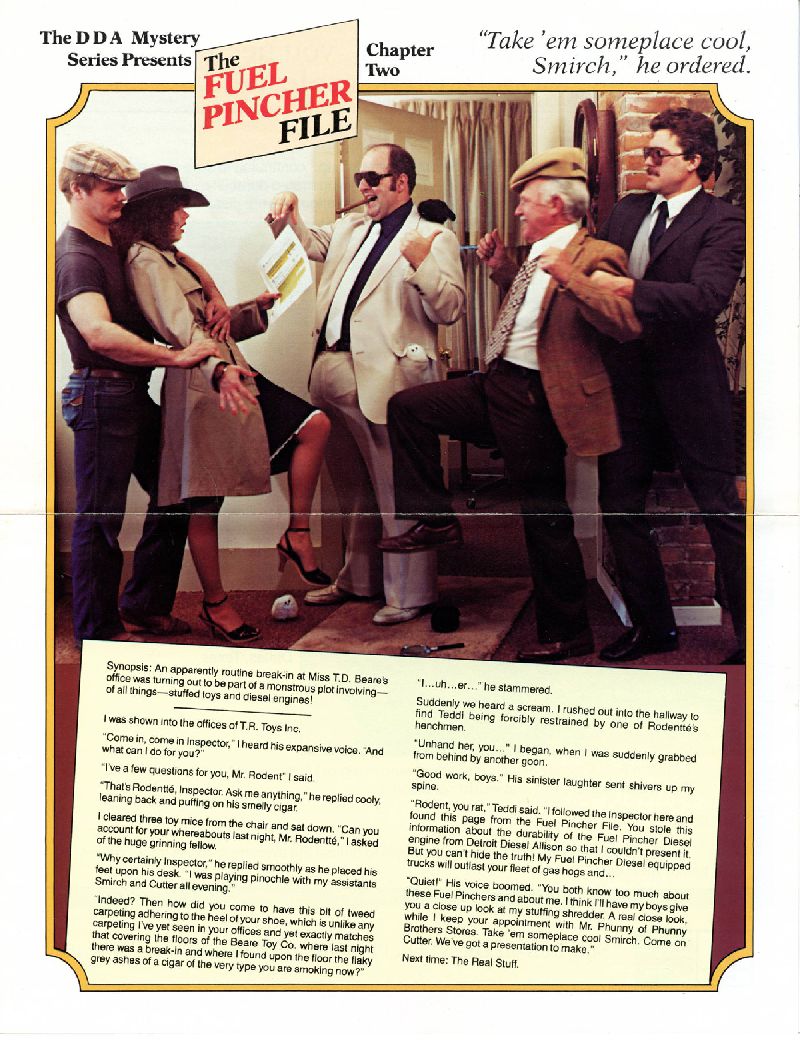
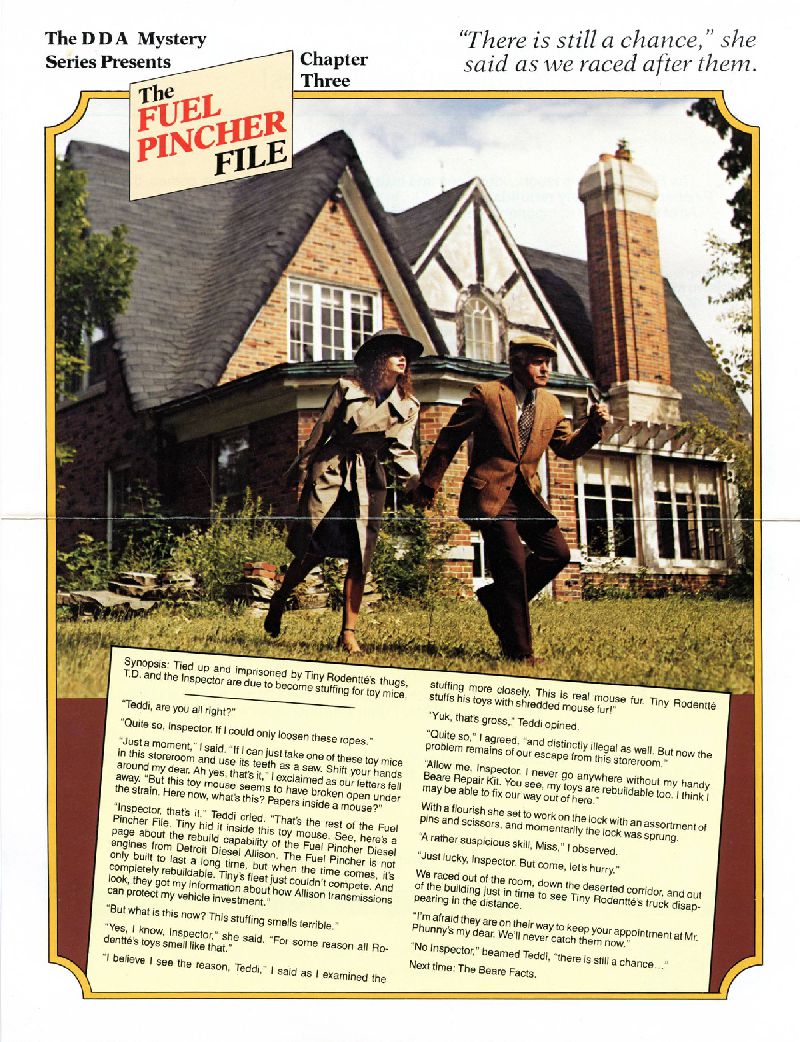
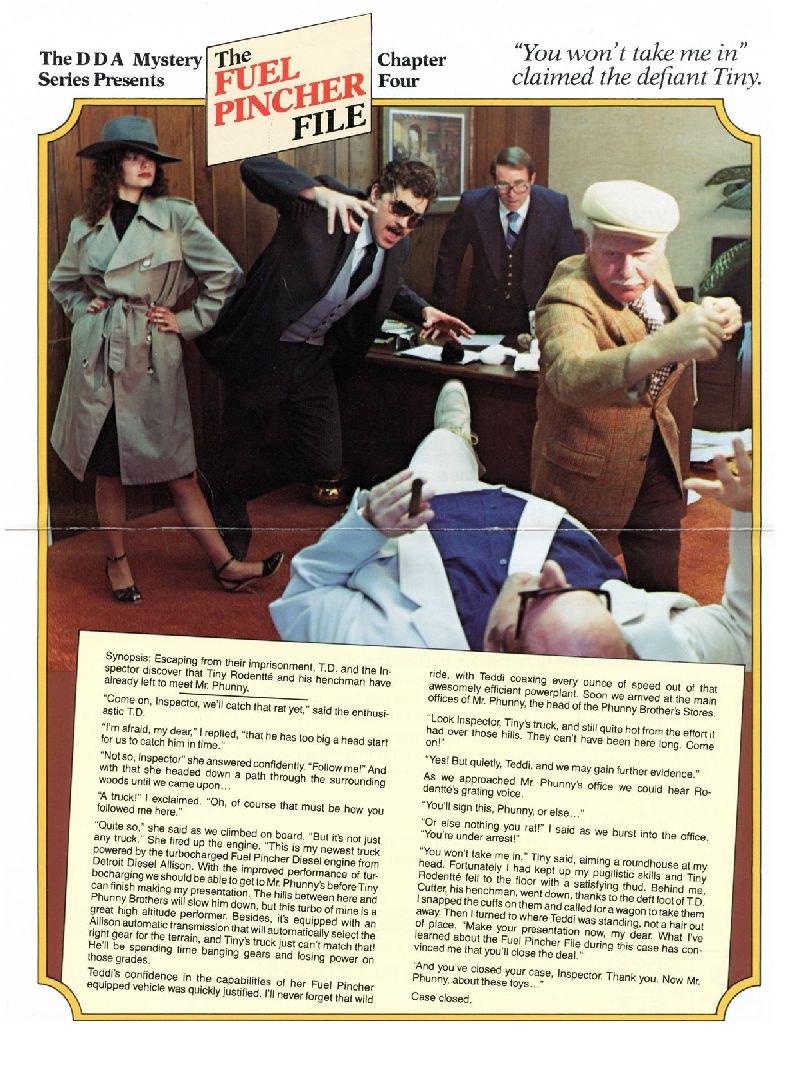
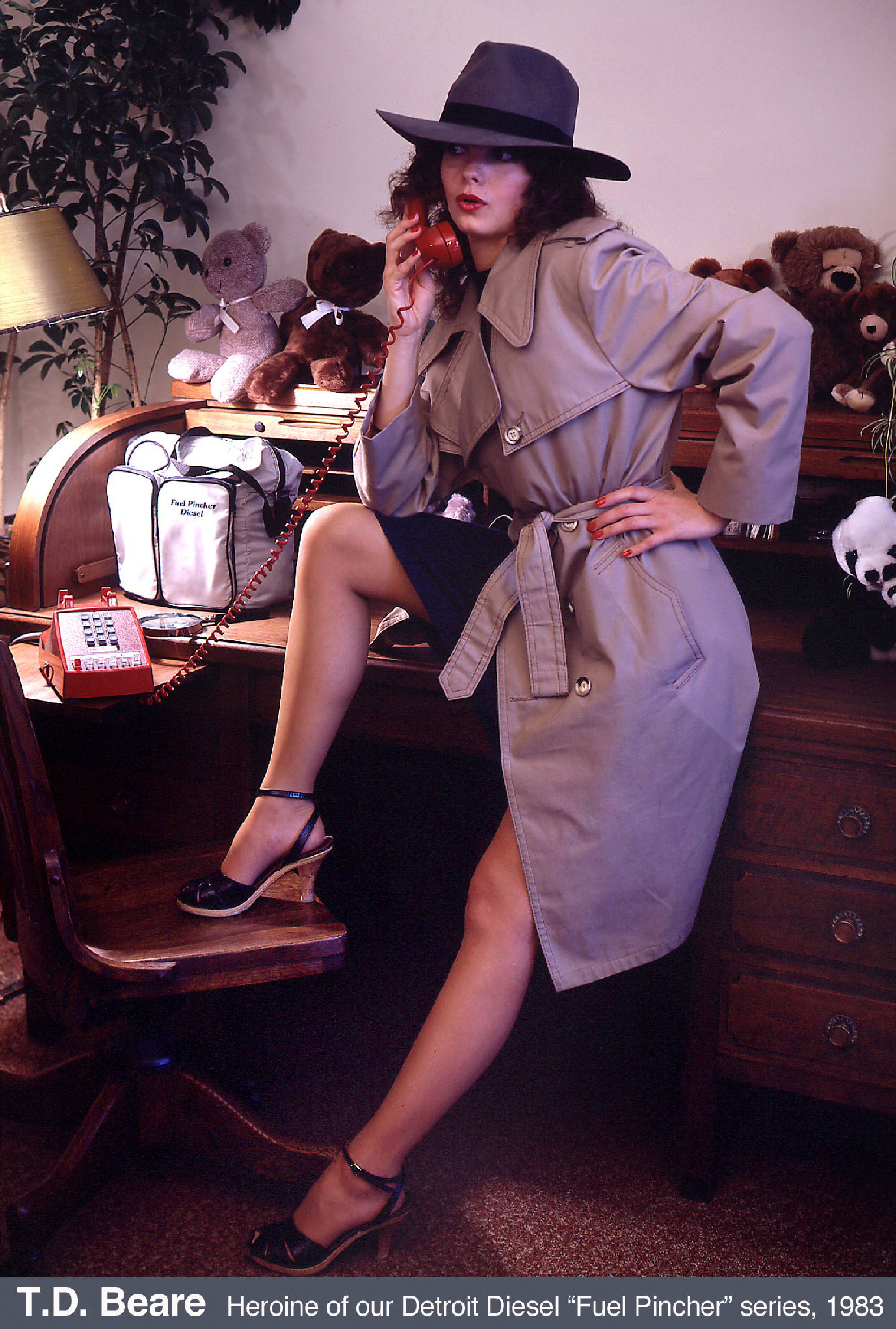
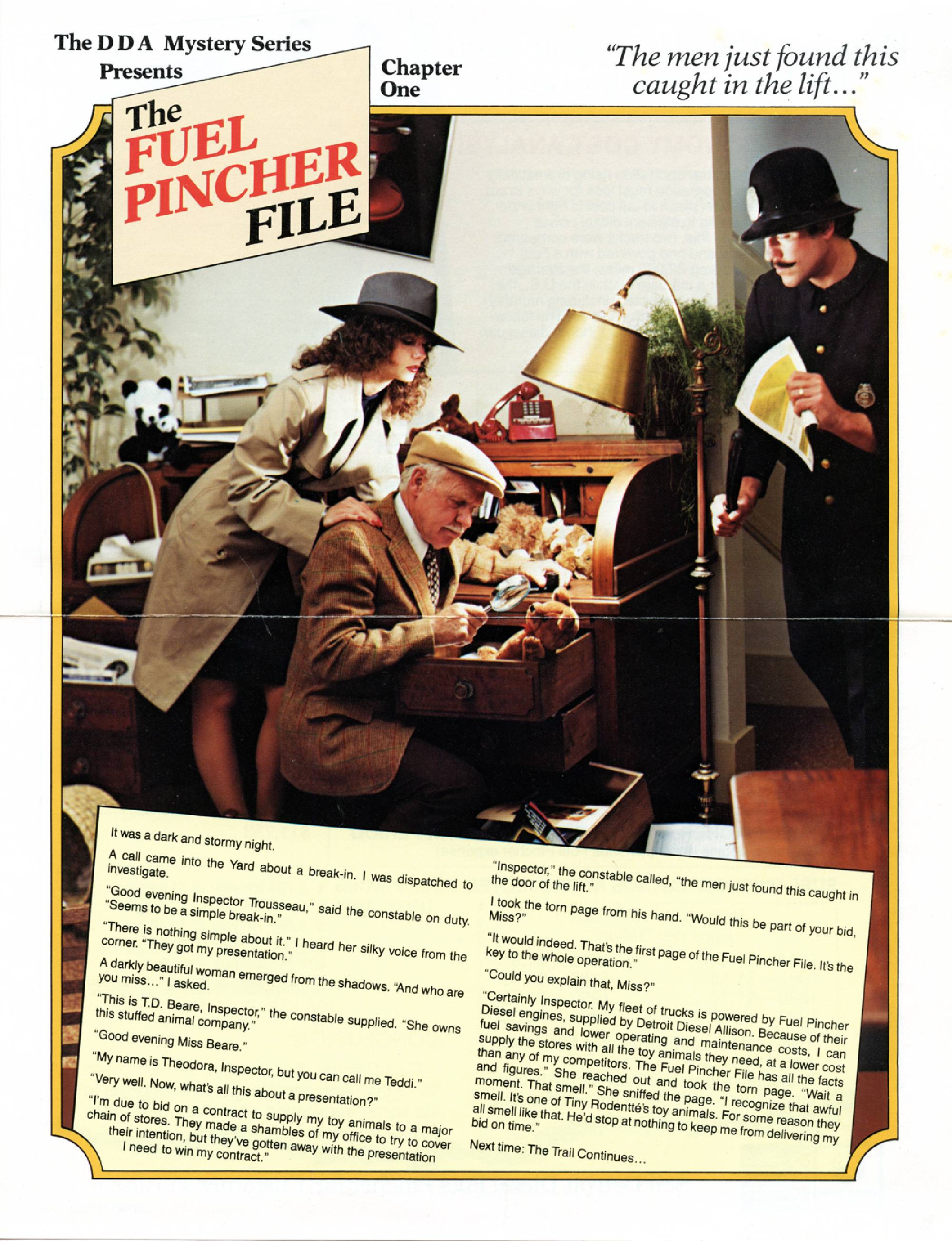
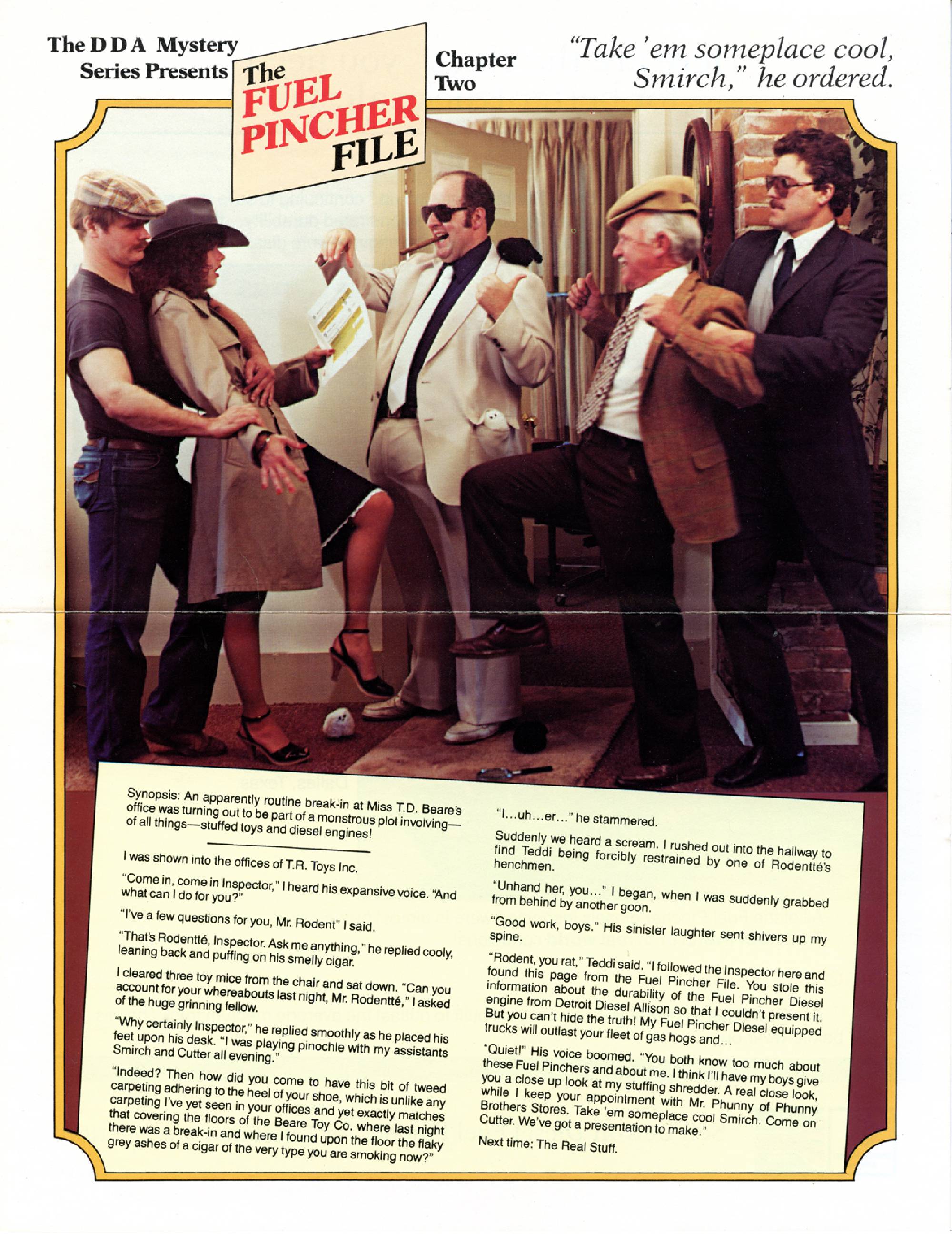
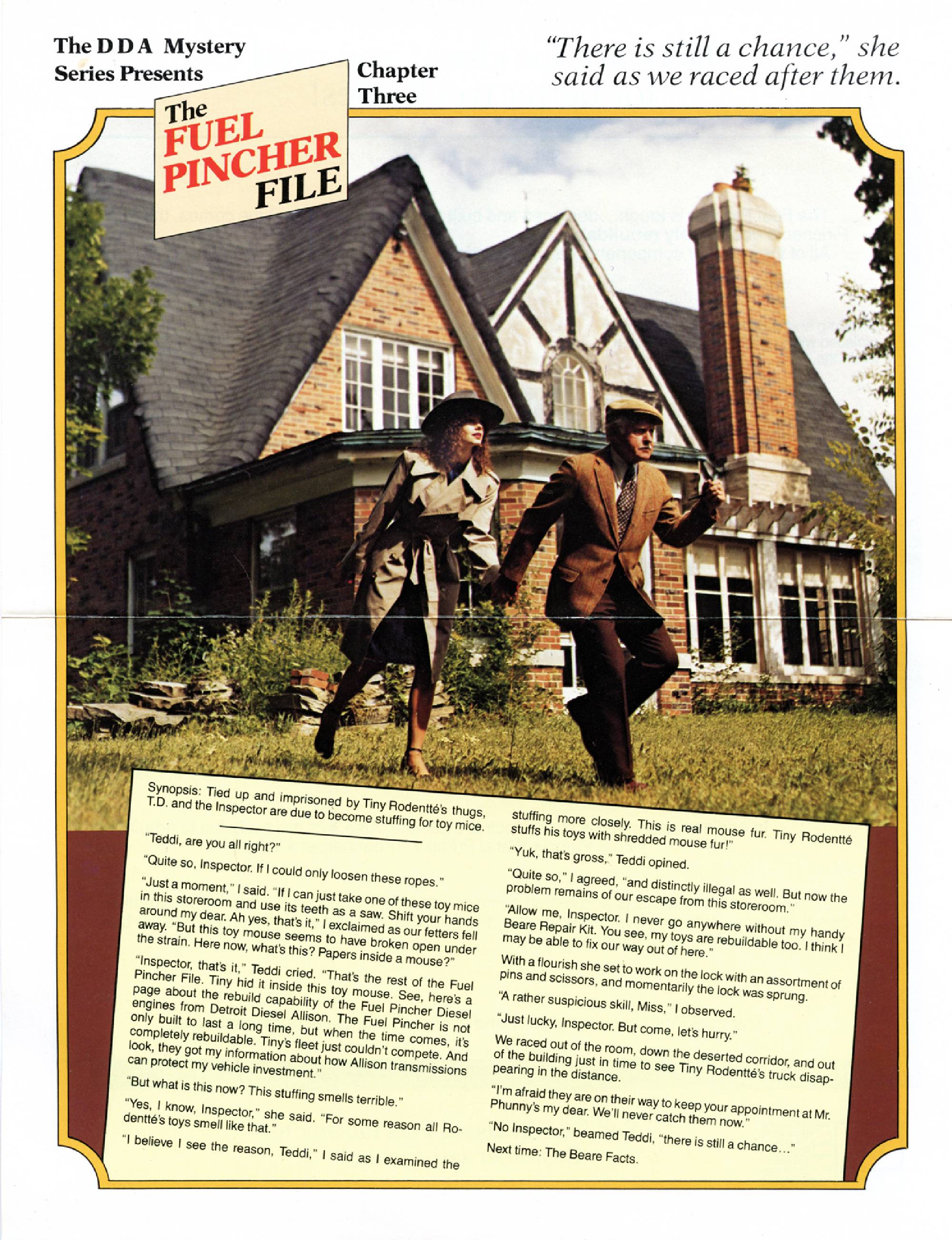
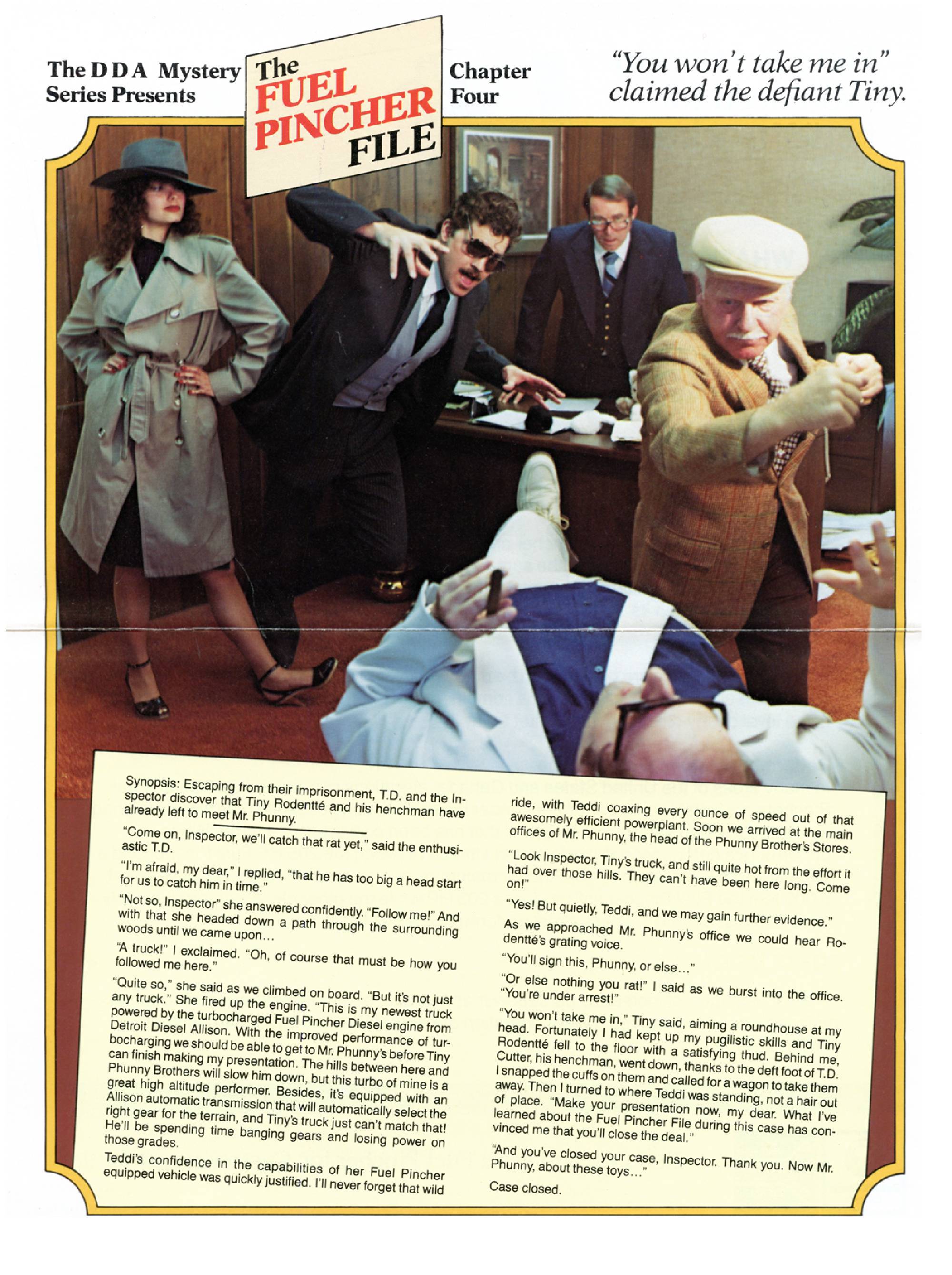
Detroit Diesel hired TI Group to help resurrect their flagging on-highway diesel engine sales. Specifically, we were asked to create a mailing series to educate dealers on the virtues of their reworked engines. Designer Joseph Radding wrote the four-part cliff-hanging novella and anyone connected with TI Group was recruited to act various parts. Notables include Art Dils, co-founder of Typographic Insight and Robert J. Conlin (later of R. J. Conlin Associates) who played both cop and bad guy. Printer’s rep Al Mitchell played “Tiny Rodentté” and our accountant Cindy played T. D. Beare, maker of stuffed animals. One of our sales reps played the inspector. Jim Vesper played the second henchman. The building of my 1974-6 employer, Pierian Press, played the secluded mansion.